
By Ô Talia Hotel & Spa — Nungwi Road, Nungwi, Tanzania
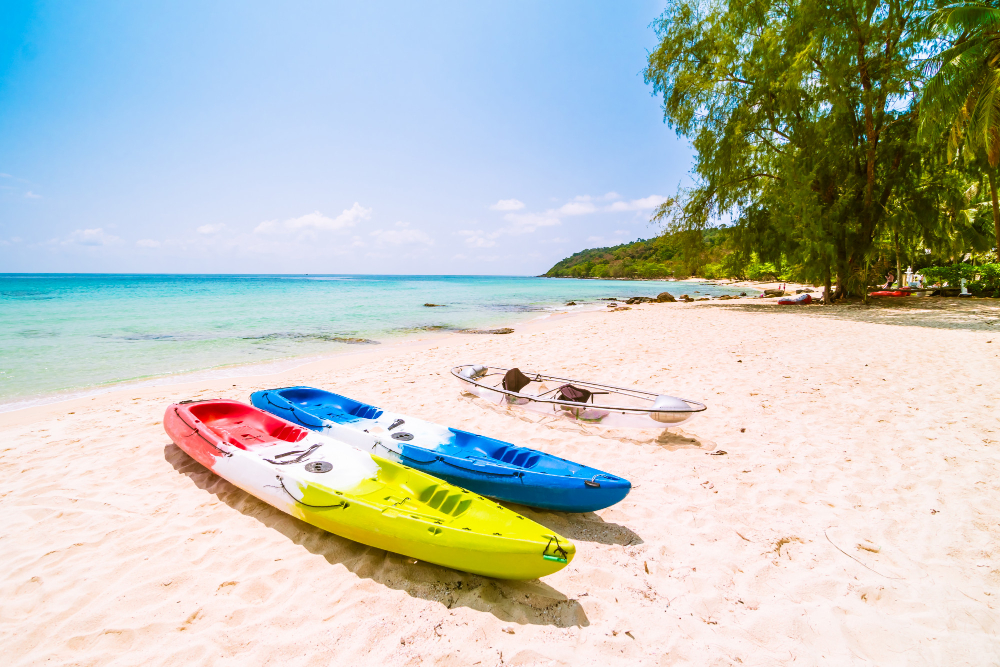
Nungwi is the kind of place that quietly ruins every beach you visit after it. Perched at the northernmost tip of Zanzibar Island, this small fishing village manages to be both a world-class beach destination and one of the most culturally genuine corners of the Swahili coast — all at the same time. The white sand is blinding. The water is the sort of turquoise that seems digitally enhanced. And yet Nungwi still has the soul of a real working village, where fishermen drag dhows across the sand at dawn and master craftsmen build wooden boats by hand using methods unchanged for centuries.
This is your complete guide to Nungwi, Zanzibar — covering everything from how to get here and when to come, to where to stay, what to do, what to eat, and what no one tells you before you arrive. Whether you’re planning your first trip or your third, this guide is your starting point.
Table of Contents
Why Nungwi Zanzibar? What Makes It Special
There are dozens of beach destinations along the East African coast. Nungwi stands apart for three reasons that no other village on Zanzibar can fully replicate.
The beach is tide-immune. Most of Zanzibar’s east coast beaches — stunning as they are — experience dramatic tidal swings that leave vast stretches of exposed seabed for hours at a time. Nungwi’s position at the northern tip of the island means its waters stay swimmable around the clock, at any hour of the day or night. You never need to check a tide table.
The sunsets face west. This sounds simple, but it changes everything. Nungwi and neighbouring Kendwa are among the very few areas on Zanzibar where you can watch the sun actually set over the Indian Ocean, turning the water every shade of amber and rose before it disappears. The east coast gets beautiful light — but the west-facing north is where the sunsets happen.
It still feels like a village. Despite its popularity, Nungwi retains the character of the fishing community it has always been. The dhow-building workshops still operate on the beach. The fish market fills up each afternoon with fresh catch. Calls to prayer drift across the rooftops at dusk. The resorts and restaurants coexist with everyday Swahili life in a way that feels earned rather than staged.
How to Get to Nungwi Zanzibar
From Zanzibar International Airport (ZNZ)
The airport — officially Abeid Amani Karume International Airport — is located in Stone Town, on the southwestern tip of the island. Nungwi is approximately 60km to the north, a drive that takes between 60 and 90 minutes depending on road conditions and traffic.
Private transfer: The most comfortable option. Expect to pay $40–60 USD for a private air-conditioned vehicle. Arrange in advance through your hotel — at Ô Talia, we can organise your airport pickup on request.
Shared shuttle: Available from the airport for a fraction of the cost, usually $5–10 USD. Journey times are longer due to multiple stops. A good budget option if you’re not in a hurry.
Taxi: Taxis are readily available at the airport. Always negotiate the fare before getting in. A fair rate to Nungwi is around $50–60 USD.
Dala-dala (public bus): The most local experience, and the cheapest at roughly $2–3 USD. Expect crowds, stops, and a longer journey. Not ideal with heavy luggage, but genuinely immersive.
From Stone Town
If you’re spending a night or two in Stone Town first (strongly recommended), the same transport options apply from the town centre. The drive north takes you through lush coastal vegetation, small inland villages, and pockets of spice farm country — it’s worth doing in daylight.
Best Time to Visit Nungwi Zanzibar
Zanzibar has two distinct dry seasons and two rainy seasons. Nungwi’s west-facing position gives it slightly different conditions to the east coast, but the broad seasonality applies across the island.
June to October — Long Dry Season (Best for Activities)
This is Nungwi’s peak period for water sports and diving. Seas are calm, visibility is exceptional (often exceeding 20 metres at Mnemba Atoll), and temperatures are pleasantly warm without being oppressive — typically 24–28°C. Trade winds make the evenings comfortable. Hotels are busiest and prices highest during this window, so book well in advance.
December to February — Short Dry Season (Best for Atmosphere)
Warm, festive, and popular. December sees Nungwi at its most vibrant, with a lively mix of international holidaymakers and locals celebrating the season. Water conditions are excellent, sunsets are particularly spectacular, and the overall atmosphere is electric. This is peak honeymoon season.
March to May — Long Rains (Lowest Prices)
The long rains bring heavy, consistent rainfall, particularly in April and early May. Many smaller restaurants and shops close or reduce hours. That said, Nungwi rarely floods, the landscape turns intensely green, and hotel prices drop significantly — sometimes by 40–50%. An option for budget-conscious travellers comfortable with some rain.
November — Short Rains (Shoulder Season)
Brief, unpredictable showers but generally manageable. A good shoulder-season option with reasonable prices and fewer crowds than the peak periods.
Best overall months for first-time visitors: July, August, January, or February.
Nungwi Beach: What to Expect
Nungwi Beach is not one beach — it’s a stretch of coastline that wraps around the northern peninsula, with distinctly different characters on its western and eastern faces.
The Western Shore (Sunset Side)
This is the main public beach, and where most of the beach bars, restaurants, and resort frontages sit. Wide, white, and open, this is where you come for swimming, people-watching, sunset drinks, and dhow watching. The water is consistently clear and calm. At high tide, it’s postcard-perfect. At low tide, a stripe of exposed sand bar appears offshore, creating natural pools where children play.
The Eastern Shore (Sunrise Side)
Quieter, less commercialised, and more exposed to the elements. The eastern side offers a different pace — fewer bars, more rock formations, and dramatic views toward the open ocean. Fishermen work this shore in earnest, and in the early morning it’s one of the most authentically Swahili stretches of coastline on the island.
The Dhow-Building Beach
Between the village and the lighthouse, a stretch of beach serves as the open-air workshop for Nungwi’s traditional dhow builders. Skilled craftsmen work without modern blueprints, using hand tools, fire-bent timber, and techniques passed down through generations. Watching a dhow take shape from raw timber is one of the most quietly extraordinary things you can witness in Nungwi — and it’s completely free.
Top Things to Do in Nungwi Zanzibar
1. Visit the Mnarani Marine Turtle Conservation Pond
A natural tidal pool at the northern tip of the village where endangered Green and Hawksbill turtles are rehabilitated before release. You can wade in during feeding times and get extraordinarily close to these ancient creatures. It’s one of the most moving wildlife experiences on the island, and the entrance fee directly supports conservation. Read our full activity guide →
2. Snorkel or Dive at Mnemba Atoll
The protected marine park at Mnemba Atoll, roughly 3km off the northeast coast, is consistently rated among Africa’s top ten dive sites. Dolphins, turtles, barracuda, lionfish, and technicolour reef ecosystems await below the surface. Half-day snorkelling trips depart from Nungwi Beach daily, and dive centres offer full PADI certification courses. Visibility regularly exceeds 20 metres in the dry season.
3. Take a Sunset Dhow Cruise
Nothing captures the spirit of Nungwi like sailing on a traditional wooden dhow as the sun goes down over the Indian Ocean. Two-hour sunset cruises depart most evenings from the beach, usually including light refreshments. Prices run approximately $25–40 USD per person. Full-day dhow excursions to nearby sandbanks or Kendwa for a beach lunch are also popular.
4. Watch the Sunset from the Lighthouse Promontory
The rocky headland near Nungwi lighthouse, at the very tip of the peninsula, offers the most dramatic viewpoint on the island for the sunset. Arrive 15–20 minutes before the sun dips and you’ll often have the rocks largely to yourself, looking out across open ocean with dhows returning to shore below you. No entrance fee. No crowds. Just the Indian Ocean at its most elemental.
5. Explore the Dhow-Building Workshops
The craftsmen working on the beach near the village centre welcome curious visitors. Watching a dhow being constructed — the curve of the hull emerging from planks of iron-wood, hammered together without a blueprint — is a privilege that few travellers take time to appreciate. Ask respectfully before photographing, and consider buying a small carved souvenir directly from the workshop.
6. Book a Swahili Spa Treatment
Zanzibar’s wellness tradition draws from centuries of Indian Ocean trade, blending East African healing knowledge with the spices, coconut oils, and botanical techniques of the Swahili coast. At Ô Talia Hotel & Spa, our treatments use locally sourced cloves, coconut, and aromatic herbs to create a spa experience rooted in genuine island heritage. Explore our spa →
7. Try Horse Riding on the Beach
The Zanzibar Horse Club operates a unique experience where riders take horses bareback into the shallow surf off Nungwi, wading through turquoise water at sunrise or sunset. It’s unusual, visually stunning, and deeply memorable. Advance booking required.
8. Go Deep-Sea Fishing
Nungwi sits within some of the most productive big-game fishing waters in the Indian Ocean. Full-day and half-day fishing charters operate year-round, targeting sailfish, marlin, wahoo, and yellowfin tuna. If the ocean is your thing, this is worth building a day around.
Day Trips from Nungwi Zanzibar
Nungwi makes an excellent base for exploring the broader island. Here are the best day trips, with approximate distances and drive times.
Stone Town (60km, ~75 minutes)
Zanzibar’s historic capital is a UNESCO World Heritage Site and one of East Africa’s most extraordinary urban environments. The old quarter — a labyrinth of carved wooden doors, coral-stone architecture, and narrow alleys fragrant with spices — rewards hours of wandering. Key stops include the Old Fort, the Palace Museum, the Darajani Market, and the Forodhani night market on the waterfront. Plan a full day and go early to beat the heat.
Zanzibar Spice Farms (35km, ~45 minutes)
Zanzibar earned its historic title — the Spice Island — through centuries of producing cloves, vanilla, nutmeg, cinnamon, pepper, and cardamom. A spice tour takes three to four hours and includes a walk through working farms, tasting spices at the source, and a traditional lunch prepared with what you’ve just picked. It’s one of the most vivid sensory experiences available on the island.
Cheetah’s Rock Wildlife Sanctuary (45km, ~60 minutes)
A privately operated rescue centre for cheetahs, servals, bush babies, and rehabilitated primates. Unlike a zoo, Cheetah’s Rock operates with a genuine conservation mission — every animal has a rescue story, and the guides explain each one. Guided encounters take around two hours and include up-close interaction in a responsible, welfare-first environment. Book in advance. Ask at Ô Talia’s reception to arrange transport and reservation.
Mangapwani Coral Cave & Beach (48km, ~60 minutes)
A natural coral rock cavern descending into a freshwater pool, historically connected to Zanzibar’s slave trade era. The site is sobering and important — a piece of real history preserved without sanitisation. Combine it with the quiet beach at Mangapwani — one of the island’s most peaceful and least-visited stretches — for a half-day that balances culture and nature.
Jozani Chwaka Bay National Park (50km, ~70 minutes)
Home to the endangered Zanzibar Red Colobus monkey — found nowhere else on Earth — Jozani is Zanzibar’s only national park. The forest walk takes around 90 minutes and includes excellent chances to see these striking monkeys at very close range. A mangrove boardwalk runs through the adjacent coastal forest. Combine with a visit to The Rock restaurant on the east coast for a full-day excursion.
Mnemba Atoll (3km offshore, ~20 minutes by boat)
The marine park that frames Mnemba Island is Zanzibar’s premier diving destination, accessible by speedboat from Nungwi. Half-day snorkelling and diving excursions depart daily. If your budget allows, the island itself is home to an exclusive lodge — but even a morning on the water above the atoll is completely unforgettable.
Where to Eat in Nungwi Zanzibar
Nungwi’s food scene is anchored in fresh seafood — fish, lobster, octopus, and prawns that arrive directly from local boats each afternoon and go straight onto the grill.
At Ô Talia Hotel & Spa
Our kitchen brings something genuinely unusual to Nungwi: authentic Moroccan cuisine alongside traditional Swahili dishes. The combination reflects the deep cultural connections between North Africa and the Swahili coast — shared spice routes, shared culinary DNA, shared hospitality. It’s one of the only places on the island where you can taste both traditions at the same table. Guests consistently name dinner here as a highlight of their stay.
Beach Seafood Grills
The open-air restaurants lining the western beach offer some of Nungwi’s most satisfying eating — fresh fish grilled over charcoal, served with rice, salad, and coconut sauce, usually for under $10–15 USD. Look for restaurants where local fishermen eat — that’s always the surest sign of fresh catch and fair prices.
Nungwi Fish Market
Each afternoon, Nungwi’s working fish market fills with the day’s haul — tuna, kingfish, calamari, snapper — sold directly from the boat. Some vendors grill on the spot. It’s not a tourist attraction; it’s where the village feeds itself. Worth visiting for the atmosphere alone, even if you’re eating elsewhere.
Zanzibari Pizza Carts
Look out for small mobile carts near the village centre in the evenings selling Zanzibari pizza — a local street food unique to the island. A thin flatbread is filled with egg, minced meat, vegetables, and cheese, then folded and fried on a hot griddle. It costs under $2 USD and it’s one of the authentic Zanzibar food experiences that most resort-goers miss entirely.
Where to Stay in Nungwi
Nungwi has accommodation for every type of traveller, from backpacker guesthouses to five-star all-inclusive resorts. Here’s how to think about your options.
Boutique Hotels (Best for Authentic Experience)
For travellers who want comfort, character, and genuine local connection — without the impersonal scale of a large resort — Nungwi’s boutique options are the standout choice. Ô Talia Hotel & Spa offers 10 carefully designed rooms just 300 metres from the beach, combining modern comfort with authentic Swahili atmosphere, a spa rooted in local healing traditions, and Moroccan-Swahili cuisine that you won’t find anywhere else on the island. We also offer bike and car rental, making it easy to explore the whole island from our door. Book directly with us →
Large Resorts (Best for All-Inclusive Convenience)
Nungwi hosts several internationally operated resorts — including Riu Jambo, Riu Palace, and Zuri Zanzibar — offering full all-inclusive packages with multiple pools, entertainment programmes, and private beach sections. Ideal for families or travellers who want everything in one place without making decisions. Prices are significantly higher than boutique options, and the experience is more internationally homogenised.
Budget Guesthouses
Nungwi has a good supply of locally owned guesthouses offering basic but clean rooms within the village, typically $30–70 USD per night. These sit closest to the fishing village itself — often noisier than hotels closer to the beach, but the most immersive way to experience everyday Swahili life.
Nungwi vs Kendwa: Which Is Right for You?
Kendwa is Nungwi’s immediate neighbour to the south — a 20-minute walk along the beach, or a short tuk-tuk ride. Both share the same tide-immune water and west-facing sunsets, but they attract slightly different travellers.
Choose Nungwi if: You want more options — more restaurants, more activities, more variety of accommodation, and more of a living village atmosphere alongside the beach life.
Choose Kendwa if: You want a quieter, more stripped-back experience. Kendwa is smaller, less built-up, and more focused purely on beach relaxation. The famous full-moon parties at Kendwa Rocks are a regular draw for younger travellers.
The truth: Most travellers base themselves in Nungwi and walk or tuk-tuk to Kendwa for a change of scene — or vice versa. The beaches connect and the distance is trivial. You don’t have to choose one and miss the other. Read our full Nungwi vs Kendwa comparison →
Practical Tips: Money, Safety, Getting Around
Currency and Payments
Tanzania’s official currency is the Tanzanian Shilling (TZS), but US Dollars are widely accepted in Nungwi’s tourist businesses. Euros are also commonly taken. Carry a mix of small USD bills for tips, market purchases, and street food. ATMs are available in the village but can be unreliable — withdraw cash in Stone Town before arriving if possible.
Safety
Nungwi is safe for travellers, including solo female visitors. Exercise standard common sense: avoid unlit areas late at night, use hotel-recommended transport after dark, and keep valuables out of sight on the beach. Beach vendors — locally called “beach boys” — will approach tourists on the sand offering tours and services. A single polite “no thank you” is sufficient. Do not engage further; the interaction ends quickly.
In 2026, Zanzibar requires all inbound travellers to carry mandatory travel insurance from the Zanzibar Insurance Corporation. Verify this requirement is met before departure.
Getting Around Nungwi
The village and beach are easily navigable on foot. For day trips, options include:
- Tuk-tuk: Readily available, cheap, and fun for short hops within Nungwi or to Kendwa. Always agree the price before boarding.
- Boda-boda (motorbike taxi): Faster and cheaper than tuk-tuks, more exposed. Helmet use varies.
- Bike rental: Ô Talia offers bicycle rental for guests — ideal for exploring the village and immediate surroundings.
- Car rental: For day trips further afield. Ô Talia can arrange car hire, the most flexible option for independent island exploration.
- Organised tours: For Mnemba Atoll, spice farms, and Stone Town, guided group tours handle all logistics and are often the most convenient choice.
Health and Vaccinations
Zanzibar is a malaria zone. Consult your doctor about antimalarial medication before travelling. Use long sleeves at dusk, apply DEET-based repellent, and sleep under a mosquito net (provided at Ô Talia). Tap water is not safe to drink — bottled water is inexpensive and widely available. Sunscreen with SPF 50+ is essential; the equatorial sun is unforgiving.
Connectivity
Mobile data coverage is good in Nungwi. Tanzanian SIM cards from networks like Vodacom and Airtel are cheap and easy to purchase at the airport or in Stone Town. Wi-Fi is available at most hotels and restaurants, including Ô Talia.
Dress Code
Zanzibar is a majority-Muslim island. On the beach, standard swimwear is fine. In the village, markets, and when visiting sites like Stone Town or mosques, dress modestly — cover shoulders and knees. Carry a light scarf or sarong for this purpose. It’s a small gesture that significantly improves your interactions with local people.
Frequently Asked Questions
How many days should I spend in Nungwi?
Three to five days is ideal for most travellers. This gives you time to relax on the beach, complete a snorkelling or diving excursion, visit the turtle pond, take at least one day trip (spice farm, Stone Town, or Cheetah’s Rock), and catch a few sunsets. Travellers who want to dive seriously often stay a week or more.
Is Nungwi good for families?
Yes. The calm, tide-free beach is safe for children of all ages, the turtle conservation pond is a genuine highlight for kids, and the range of boat trips, wildlife experiences, and village exploration activities suits families well. Ô Talia’s intimate scale also makes it easier to manage young travellers than a large resort.
Is Zanzibar safe for solo female travellers?
Zanzibar is widely considered safe for solo female travellers. Dress modestly outside beach areas, use hotel-recommended transport at night, and apply the same general awareness you’d use in any unfamiliar destination. Many thousands of solo female travellers visit each year without incident.
How far is Nungwi from Stone Town?
Nungwi is approximately 60km from Stone Town and Zanzibar International Airport. The drive takes 60–90 minutes depending on traffic. A private transfer costs $40–60 USD; shared shuttles are available for significantly less.
Do I need a visa to visit Zanzibar?
Most visitors to Zanzibar require a Tanzanian visa, which can be obtained on arrival at Zanzibar International Airport or in advance as an e-visa. Citizens of many East African nations are exempt. Check your country’s specific requirements before travelling. The standard tourist visa allows a 90-day stay.
What currency is used in Nungwi?
The official currency is the Tanzanian Shilling (TZS), but US Dollars are widely accepted in tourist-facing businesses. Carry small USD bills for markets, tips, and street food. Withdraw cash from ATMs in Stone Town before arriving as a backup.
What language is spoken in Nungwi?
Swahili (Kiswahili) is the primary language. English is widely spoken in hotels, restaurants, and tourist businesses. A few Swahili phrases — “Jambo” (hello), “Asante” (thank you), “Karibu” (welcome) — are always appreciated and go a long way with local people.
Can I walk from Nungwi to Kendwa?
Yes. The two villages are connected along the beach and the walk takes approximately 20–25 minutes at a relaxed pace. At very high tide the path can be narrow — check conditions before setting out and be prepared to remove shoes near the waterline.
Conclusion: Why Nungwi Deserves More Than a Long Weekend
Most travellers arrive in Nungwi planning to stay three days and start looking for extensions by the second morning. That’s the thing about this place — it delivers on its promise in a way that so few travel destinations actually do. The beach is exactly as beautiful as the photographs suggest. The people are genuinely warm. The sunsets are real. The food is good. And the culture beneath the tourist surface — the fishermen, the dhow builders, the calls to prayer, the evening fish market — gives the whole thing a texture that pure resort destinations simply cannot offer.
Nungwi is the best base on Zanzibar. Not the most exclusive, not the quietest, not the cheapest — but the best, because it balances everything in a way that leaves you satisfied rather than wishing for something else.
Stay at Ô Talia Hotel & Spa, 300 metres from Nungwi Beach. We are an intimate boutique hotel at the heart of everything in this guide — with a spa rooted in Swahili tradition, a kitchen that brings Morocco and the Indian Ocean coast together on the same plate, and a team that genuinely loves helping guests discover the island we call home.
Book your stay directly → | Email: reservation@otaliazanzibar.com
Related Guides from Ô Talia
Published by Ô Talia Hotel & Spa · Nungwi Road, Nungwi, Tanzania · reservation@otaliazanzibar.com Last updated: May 2026